
Tarih
Open Letter: Enver Pasha; The Great Dream
Islam and West
The mental and spiritual fragmentation of the Muslim world

Islamic history of science
Archaeology of Freedom: Individual–Politics–Justice–Morality

Islamic history of science
Imagining the Chinese Typewriter
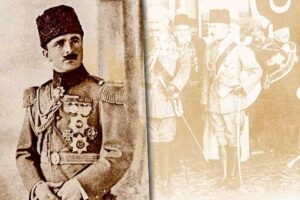
Open Letter: Enver Pasha; The Great Dream
Apart from the traces that can help us decipher the ‘codes’ of the nightmare we are living through, he left nothing in the name of wealth behind; proved even to his enemies what a commander, a statesman, a husband, a human being should be like, alone, yet a great man. Teacher Hasan was right; these small minds and this small, strange country will understand you one day when grow up.
The mental and spiritual fragmentation of the Muslim world
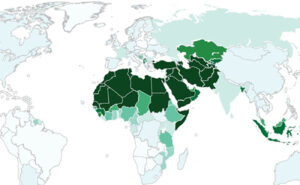
The Muslim world has to recover from its state of impoverishment and rebuild its intellectual and moral habitat. While being firmly anchored in its own tradition and roots, it has to approach the world with the perspective of an open horizon
From Ali Başhamba to İbrahim Kalın: The Shadow of the Teşkilat-ı Mahsusa
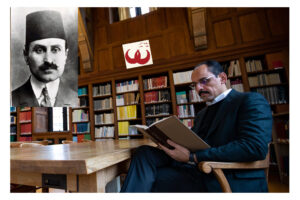
Before Kalın lies a significant historical opportunity in terms of an anti-imperialist and Islamic world-centered security perspective. At a time when politics is becoming increasingly shallow amid day-to-day calculations and policies are being shaped by short-term gains rather than long-term national interests, Kalın’s intellectual formation offers him the opportunity to open up a broader horizon. If Kalın can build a long-term security doctrine during his tenure as President of the National Intelligence Organization (MİT), one that prioritizes the national interest and combines Türkiye’s regional ambitions with institutional rigor, he may become one of the figures held in high esteem across the Islamic world, much like Ali Başhamba.

Archaeology of Freedom: Individual–Politics–Justice–Morality
Only through such a process of substitution can an individual transcend their human nature and progress towards becoming Adam, transforming into a free human being who chooses to exist through their own labor, abilities, and preferences. Thus, freedom can become the name of humanization, of being human, of being Adam, in the sense of possessing, being master of oneself, being able to choose, and being able to assume responsibility, and it can become the foundation of a social order in which people can live humanely. This ‘freedom is not the daughter of order, but its mother.’
Neuroscience and Paul Ricoeur’s Challenge
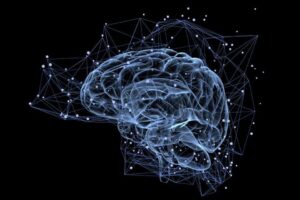
Neuroscience operates from a third-person perspective. It looks at the brain from the outside and derives concepts such as brain images, neurons, and synapses from the phenomena it observes. Conscious experiences such as suffering pain, remembering, loving, and fearing, however, are ultimately lived from the first-person perspective. Undoubtedly, these experiences may also be explained at the level of scientific phenomena, but the dialectic of explanation and understanding will always proceed together. According to Ricoeur, understanding is not merely receiving information; it is not confined to reading a text[3] or deciphering words.
Open Letter: Enver Pasha; The Great Dream
Apart from the traces that can help us decipher the ‘codes’ of the nightmare we are living through, he left nothing in the name of wealth behind; proved even to his enemies what a commander, a statesman, a husband, a human being should be like, alone, yet a great man. Teacher Hasan was right; these small minds and this small, strange country will understand you one day when grow up.
The mental and spiritual fragmentation of the Muslim world
The Muslim world has to recover from its state of impoverishment and rebuild its intellectual and moral habitat. While being firmly anchored in its own tradition and roots, it has to approach the world with the perspective of an open horizon