Opinion
Neuroscience and Paul Ricoeur’s Challenge
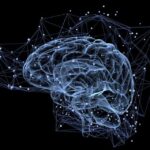
Neuroscience operates from a third-person perspective. It looks at the brain from the outside and derives concepts such as brain images, neurons, and synapses from the phenomena it observes. Conscious experiences such as suffering pain, remembering, loving, and fearing, however, are ultimately lived from the first-person perspective. Undoubtedly, these experiences may also be explained at the level of scientific phenomena, but the dialectic of explanation and understanding will always proceed together. According to Ricoeur, understanding is not merely receiving information; it is not confined to reading a text[3] or deciphering words.
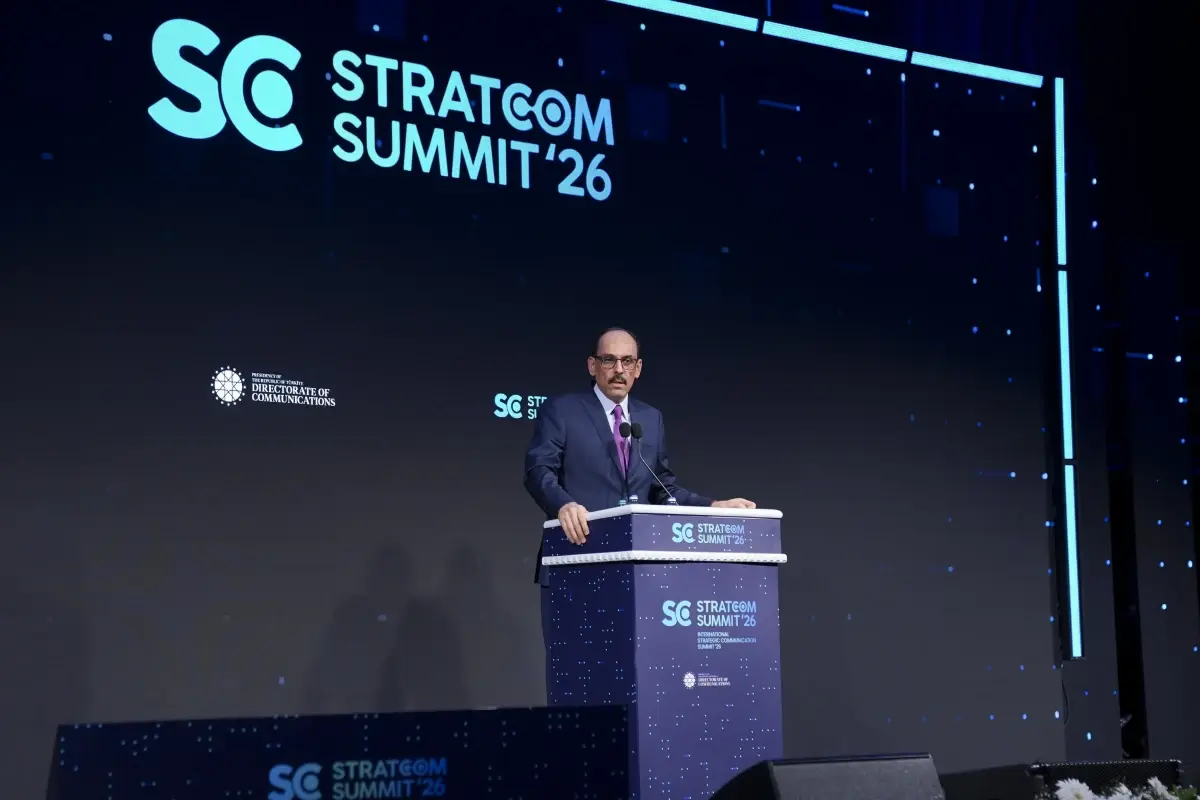
What is İbrahim Kalın saying?
By stepping away from the context of the speech on which this article is based, we may ask ourselves whether we can free ourselves from our habits or preconceptions in the face of the situation we are confronting today. When unforeseen decisions and necessities arise on the social level before Ankara, will we remain confined within the limits of our thinking, or will we shape our mental boundaries with our own truth and build peace in our geography? That is the real issue...
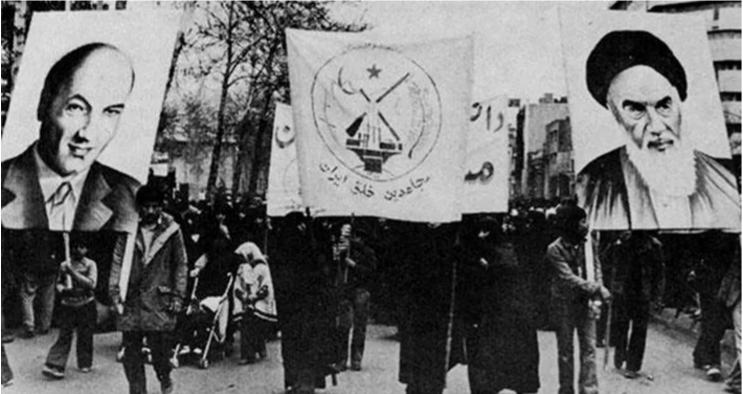
Iran’s Never-Ending 20th Century
Today, Iran, under attack from imperialist and arrogant forces, has transformed into a state that is crumbling but whose silhouette remains standing from its ruins, paralyzed but somehow functioning, having lost its legitimacy but maintaining its power, without friends but finding support from geopolitical balances. Therefore, what the United States and Israel are waging war against is the silhouette of a stalled, even collapsed, Iran. It is not possible to change this silhouette through external intervention.
Human as Symbol-Maker: Animal Symbolicum
With the rise of modernity, which gathered momentum with the Enlightenment—and particularly under the influence of evolutionary theory—the traditional anthropological understanding that sought to interpret the universe by placing the human being at its center gave way to a naturalistic view that attempted to explain the human being on the basis of the physical knowledge he had produced about the universe.
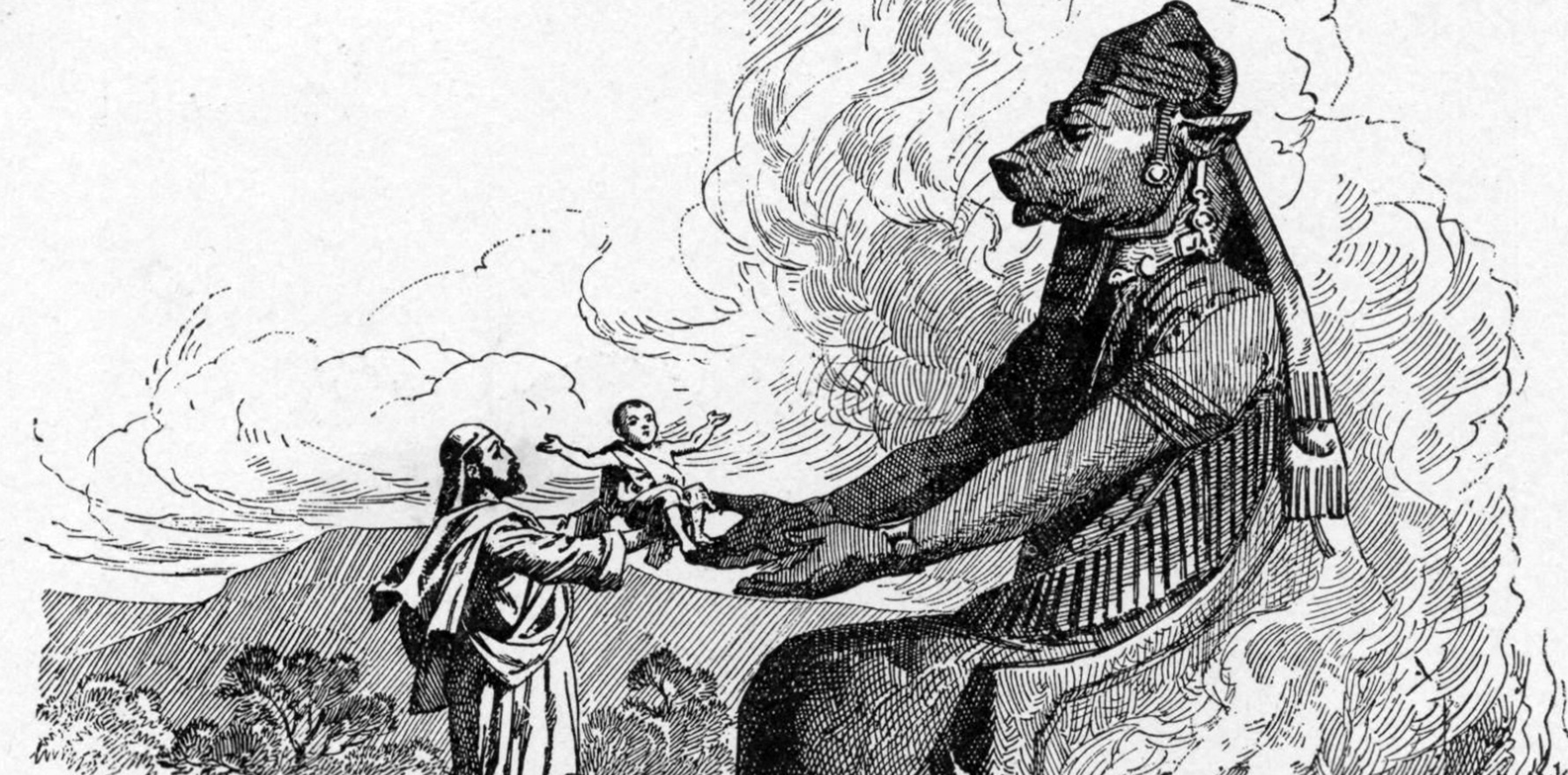
An Unusual Deviance: Child Sacrifice
It is said that God sent many prophets to guide the Jewish people to the right path. However, as clearly stated in the Torah, Jewish kings, the wealthy, and religious leaders continually strayed into deviance despite the messages of these prophets—indeed, they even killed many of them. The most well-known of these deviations was sacrificing children to their idols.
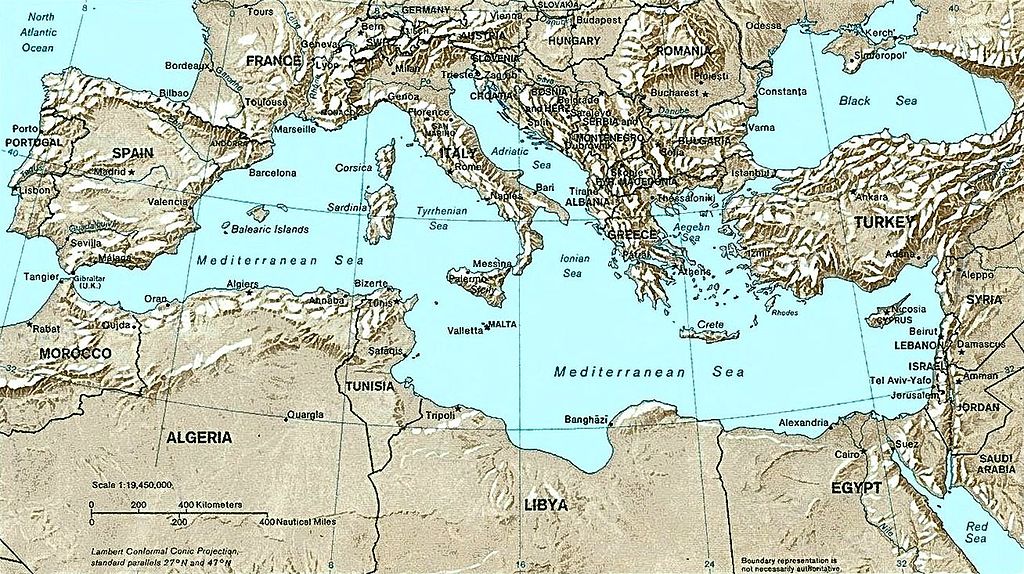
The Time Has Come for the Mediterranean Alliance
The Mediterranean basin is the place where the most productive and wealthiest civilizations of the world were established. It is still the most strategic area in terms of energy and underground resources, maritime and land transportation, and geopolitical position. After the crisis that the Middle East has entered, the region will never be the same again. New pursuits have already begun in every field.
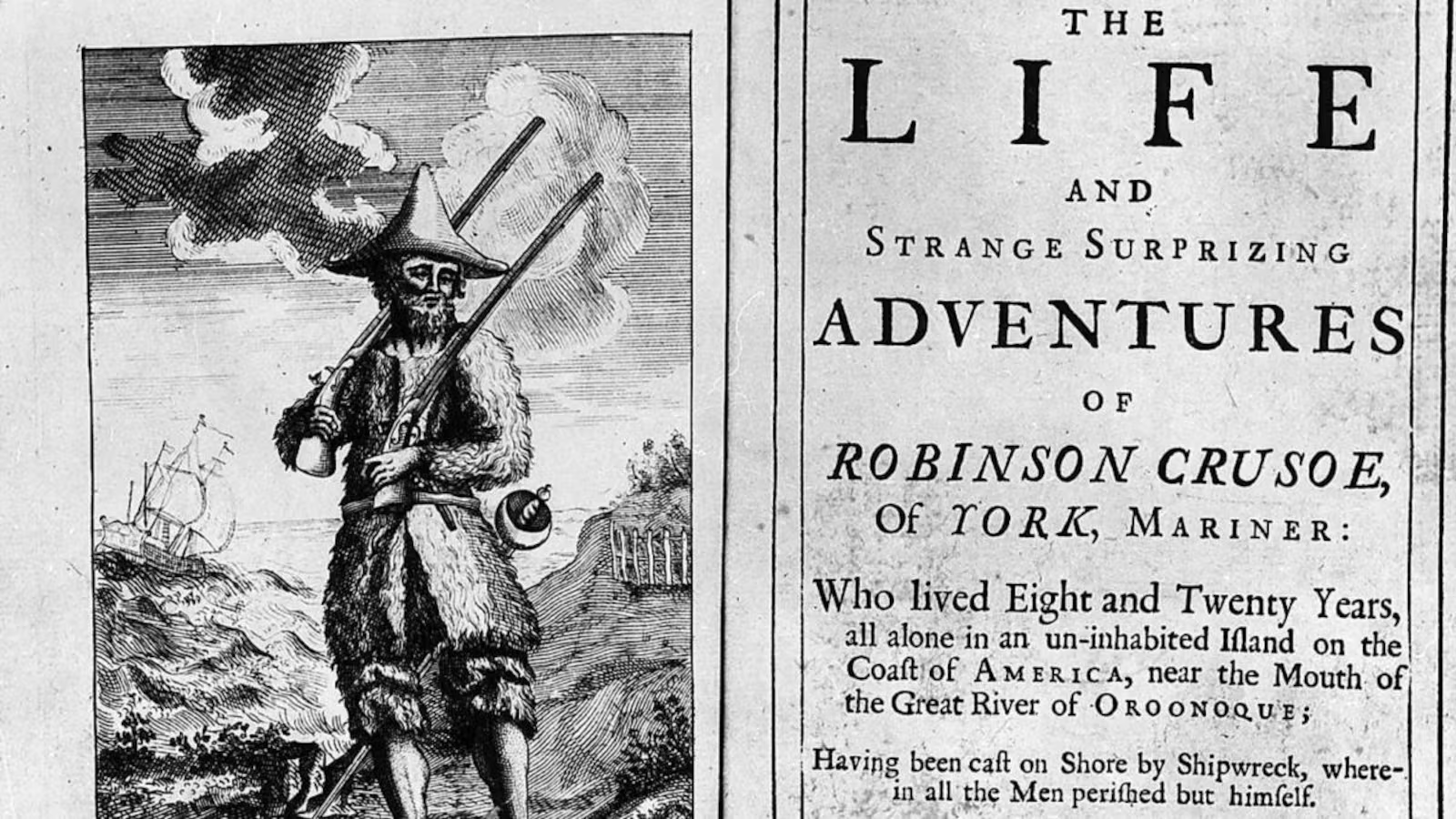
Is Robinson Crusoe a Novel That Tells the Story of “Everyone”?
Robinson, a terrestrial creature, escapes the anxiety caused by a single footprint—which drives him toward an extraterrestrial fear (and, of course, toward the sublime)—not like the “ordinary person who, in the Age of Enlightenment, stands before the universe, striving to break traditional rigidities and transform the world through the power of reason,” but by adopting a view that hierarchically divides humanity in order to secure his anthropological safety.
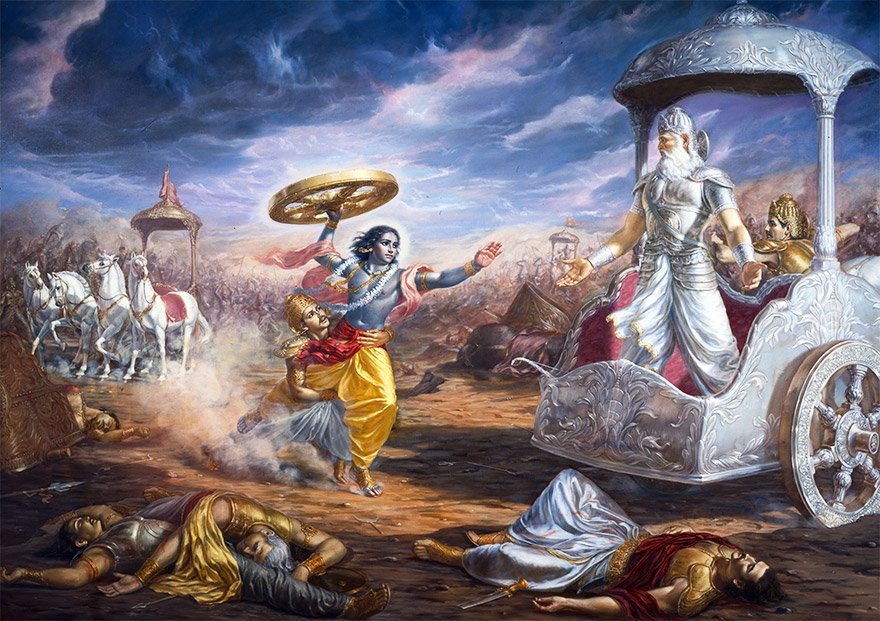
Bhagavad Gita; New Century, Ancient History
The tension experienced in the war between chaos and order described by the Bhagavad Gita is the true dialectic of ‘our’ world. The new Eurasia/Pacific-centered dialectic will ensure that this ancient war of humanity continues from where it left off. A new Türkiye, a new regional order, a new world can primarily be built on such a ground and through debates that begin with this depth…
On The Victim, the Enemy and The Genocide
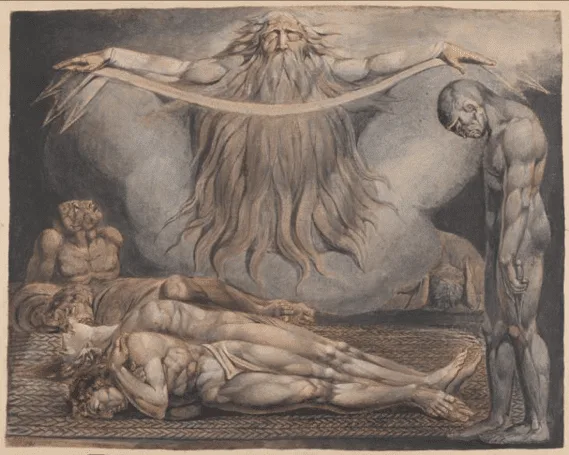
Zionism, as a highly controversial attempt to create a homogeneous nation from an ethnic multi diversity that not rests on historical reality but only myths and folk tales. A gathered community of fugitives, who have never established a connection with the land throughout history and weirds that have never been neighbors to anyone, can only find shelter in myths, not in the history. They attempt to exist by breathing life into a stoned corpse on the lands where they can not take root.
Politics and Morality
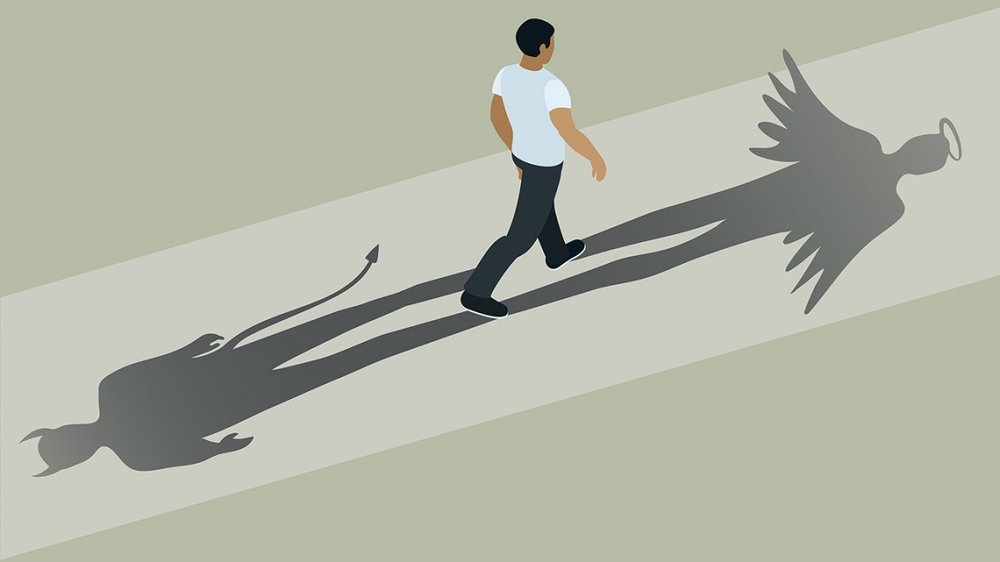
The idea that life itself is politics and that the struggle between good and evil is constantforms the foundation of Carl Schmitt’s political philosophy. On the other hand, the notion thatmorality precedes human existence, that the ‘other’ is an essential element in the constructionof the self, that it stands before us even before we establish our own identity, and that the‘other’ essentially signifies morality constitutes the core of Emanuel Levinas’ moral philosophy.