Ahmet Özcan
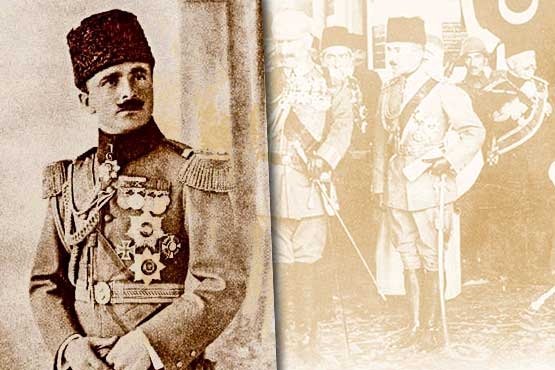
Open Letter: Enver Pasha; The Great Dream
Apart from the traces that can help us decipher the ‘codes’ of the nightmare we are living through, he left nothing in the name of wealth behind; proved even to his enemies what a commander, a statesman, a husband, a human being should be like, alone, yet a great man. Teacher Hasan was right; these small minds and this small, strange country will understand you one day when grow up.

Archaeology of Freedom: Individual–Politics–Justice–Morality
Only through such a process of substitution can an individual transcend their human nature and progress towards becoming Adam, transforming into a free human being who chooses to exist through their own labor, abilities, and preferences. Thus, freedom can become the name of humanization, of being human, of being Adam, in the sense of possessing, being master of oneself, being able to choose, and being able to assume responsibility, and it can become the foundation of a social order in which people can live humanely. This ‘freedom is not the daughter of order, but its mother.’
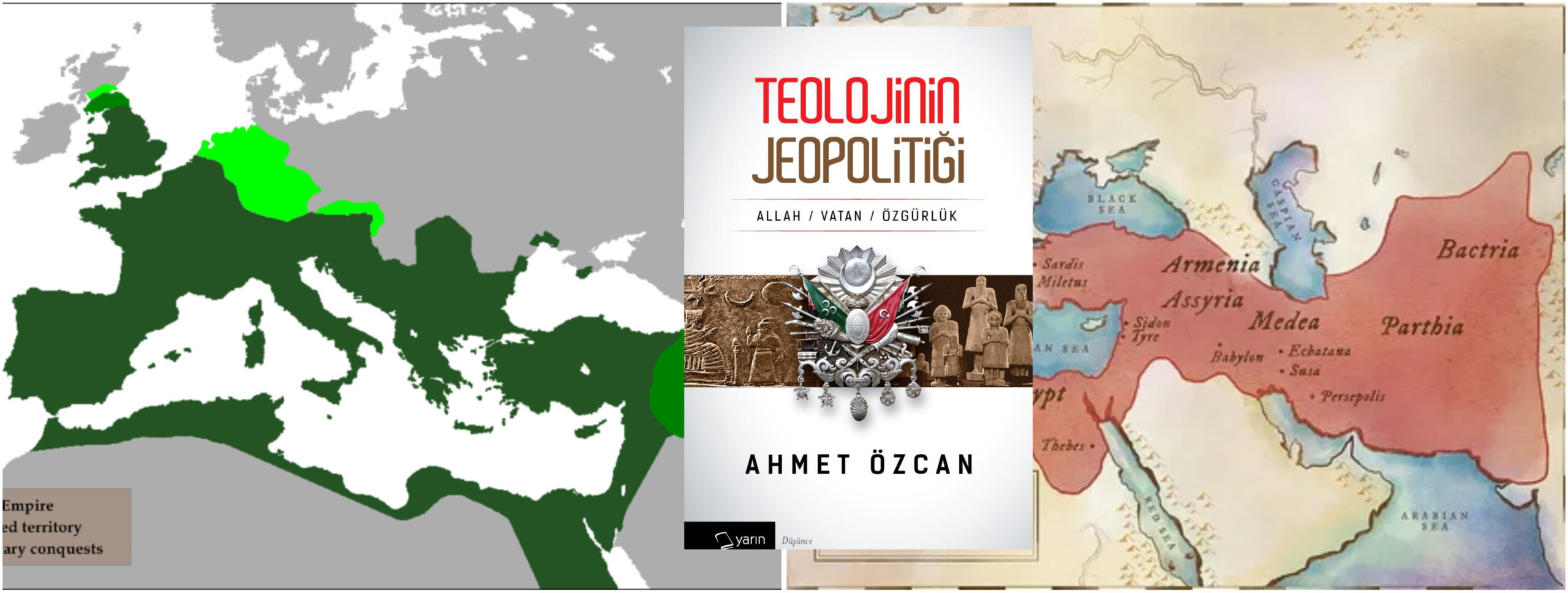
The Geopolitics of Theology: The Iran-Rome Wars and Islam
Safavidism, like Zoroastrianism’s reaction against India, first developed as a reaction to Mongol remnants. Later, the ancient geopolitical Iran–Rome dialectic reemerged, leading to the Ottoman-Iran wars. Safavid Shiism fully defined itself as Iran’s war against Rome. These wars, lasting until the mid-18th century, ended with the victory of the Ottomans (the Muslim Rome).
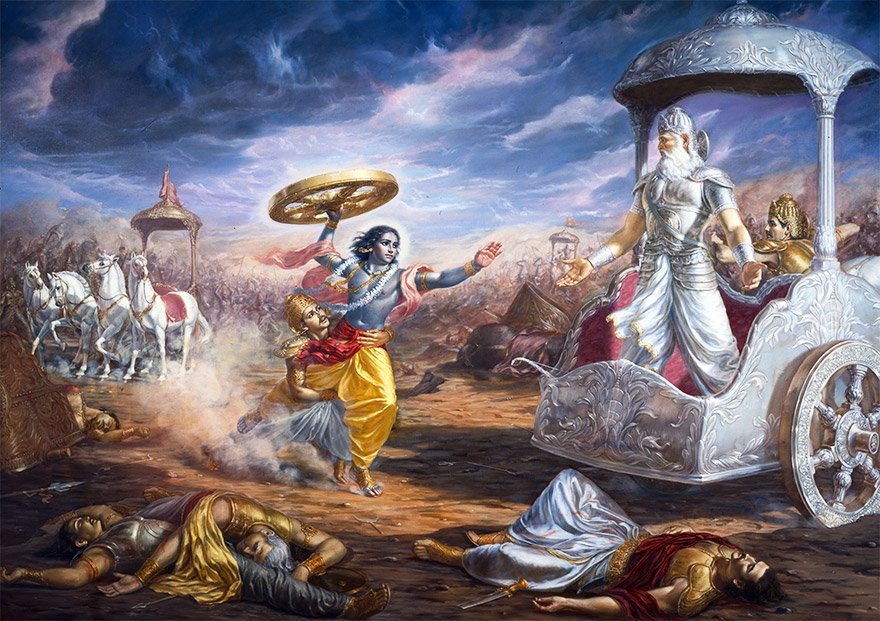
Bhagavad Gita; New Century, Ancient History
The tension experienced in the war between chaos and order described by the Bhagavad Gita is the true dialectic of ‘our’ world. The new Eurasia/Pacific-centered dialectic will ensure that this ancient war of humanity continues from where it left off. A new Türkiye, a new regional order, a new world can primarily be built on such a ground and through debates that begin with this depth…

What is the Judaism? What is not?
Judaism, Israel, the Children of Israel, Hebrewism, and Judaism are unrelated, distinct, and different concepts. In mainstream theological writings, these terms have been interwoven and used interchangeably in Jewish, Christian, and Islamic religious studies, as well as in general human cultural histograpyh. Religion, or more precisely, the tradition of divine-heavenly faith itself is already a commonly memorized misconception based on the perception encoded as Hebraism and other heavenly religions regarded as interpretations, continuations, or reforms of it. This commonly memorized misconception guides the reading, interpretation, discussion and critique of religious literature like the Torah, Tanakh, Talmud, Mishnah, Bible, Psalms, apocryphal texts, Quran, and Hadiths. The deepest and most persistent and distorted theological beliefs and biases in human history regarding Israel and Judaism stem from this fundamental falsehood.